
EXPOSIÇÃO EXHIBITION
Museu dos Sons Perdidos 6
— Filipe Faria Portugal
Inauguração Opening
27.11.2026 20.00
Sexta-feira Friday
Noite Cheia Full Night 2/5
Idanha-a-Nova
Centro Cultural Raiano
Instalação sonora Sound Installation
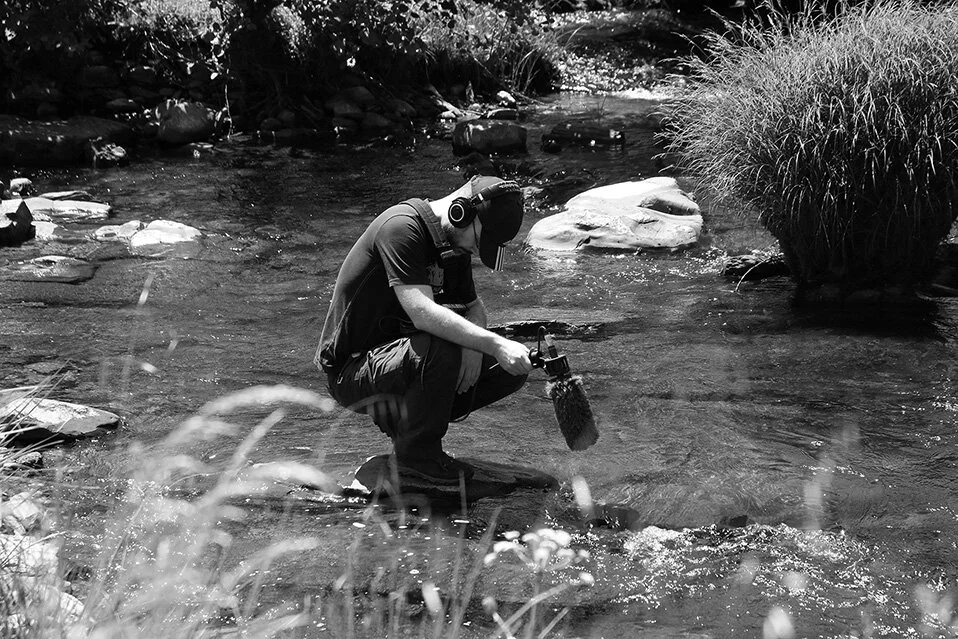
O Museu dos Sons Perdidos é um projecto Arte das Musas, da autoria de Filipe Faria, desenvolvido a partir de paisagens sonoras, memória, território e imagem.
The Museum of Lost Sounds is an Arte das Musas project by Filipe Faria, developed through soundscapes, memory, place and image.
O Museu dos Sons Perdidos The Museum of Lost Sounds
PT Dizem que Guglielmo Marconi (1874–1937), físico e inventor italiano, padrinho da tecnologia rádio, acreditava que o som não morre. Sonhava ouvir os sons perdidos, tocar nessas frequências eternas.
Podíamos ouvir tudo. Ouvir a primeira inspiração dos nossos filhos e dos nossos pais. Ouvir o primeiro grito da Humanidade, cada sermão, conselho sábio ou riso de todas as gerações. Ouvir o som grave da primeira erupção ou o canto agudo daquela ave que escapou para longe. Todos nós podíamos ouvir tudo. Ouvir tudo, para sempre.
Depois de produzido, o som não morria mas perdia poder, enfraquecia. Estas ondas sonoras, fracas, sem destino preciso, permaneciam eternamente a flutuar. Qualquer som podia, em teoria, ser recuperado. Ouvido pela primeira ou pela enésima vez. Qualquer som de qualquer lugar ou tempo passado. O primeiro e o último. Um som perdido podia ser ouvido, novamente, com o equipamento certo. Um equipamento poderoso. Um que conseguisse ouvir e escolher. Um por inventar.
Todos os sons são sons perdidos… ondas que flutuam, independentes de outras vontades, até que alguém as consiga sentir ou sem destinatário. Persistentes. Frágeis. Mudas. Flutuações brutais ou discretas. Gritos ou sussurros. Ruídos. Vozes. Com todas as histórias do mundo.
Ainda não foi possível inventar aquele equipamento poderoso com que poderíamos ouvir todos os sons perdidos, mas inventámos a forma de os guardar. Hoje, conseguimos ouvir o dia de ontem, desta ou de outra geografia. Mais ou menos secreto. Enchemos o planeta de sons perdidos. Sons que, dependendo da nossa vontade, podem voltar a ser produzidos.
A construção de um Museu dos Sons Perdidos parte daqui... da tentativa de perpetuar as ondas das memórias pessoais ou colectivas de um lugar ou de uma comunidade... e o seu potencial criativo. Fundador. Reconfortante. Assustador.
A paisagem sonora de todos e de cada um, construída pelas biofonias, geofonias e antropofonias de um território… o mundo silencioso a partir do qual nasceu.
E a imagem, um veículo.
— Filipe Faria
EN They say that Guglielmo Marconi (1874–1937), the Italian physicist and inventor, a pioneer of radio technology, believed that sound never dies. He dreamt of hearing lost sounds, of reaching those eternal frequencies.
We could hear everything. Hear the first breath of our children and our parents. Hear the first cry of humankind, every sermon, every piece of wise advice, every laugh from every generation. Hear the deep sound of the first eruption or the high call of that bird that escaped far away. We could all hear everything. Hear everything, for ever.
Once produced, sound did not die, but lost its strength and grew weaker. These faint sound waves, with no precise destination, remained floating for ever. Any sound could, in theory, be recovered. Heard for the first time or the thousandth. Any sound from any place or any time in the past. The first and the last. A lost sound could be heard again, with the right equipment. Powerful equipment. Something capable of listening and choosing. Something yet to be invented.
All sounds are lost sounds… waves that float, independent of anyone’s will, until someone is able to perceive them — or with no recipient at all. Persistent. Fragile. Silent. Brutal or discreet fluctuations. Cries or whispers. Noises. Voices. Carrying all the stories of the world.
We have not yet invented that powerful equipment with which we might hear every lost sound, but we have invented ways of preserving them. Today, we can listen to yesterday, from this geography or another. More or less secret. We have filled the planet with lost sounds. Sounds which, depending on our will, can be produced once again.
The construction of a Museum of Lost Sounds begins here... with the attempt to perpetuate the waves of the personal or collective memories of a place or community... and their creative potential. Foundational. Comforting. Frightening.
The soundscape of us all, and of each of us, built from the biophonies, geophonies and anthropophonies of a territory… the silent world from which it was born.
And the image, a vehicle.
— Filipe Faria